

Evaluating online learning
|
 |
Hippo Leasing's Practical Guide to Choosing from the Most Popular Commercial Vans and Pickups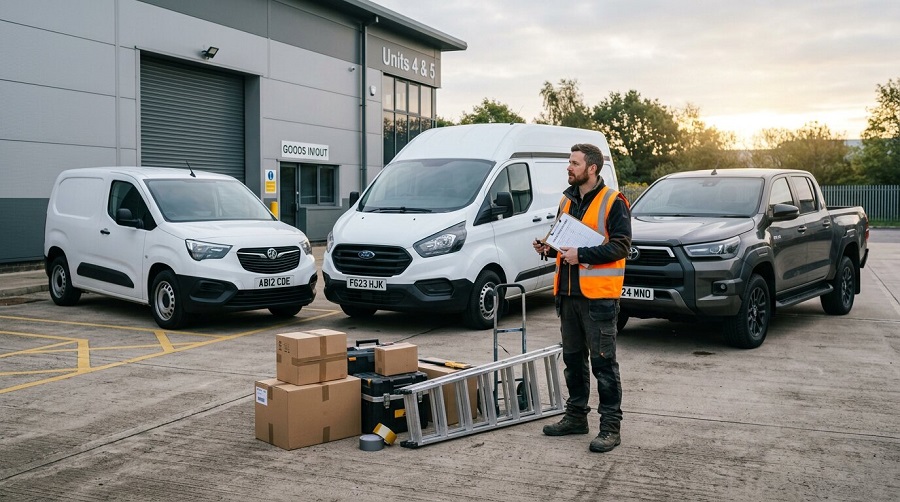
This guide was put together by Hippo Leasing, the UK's small business leasing experts, to help you find the right commercial vehicle for the way you actually work. Choosing a commercial vehicle is one of the more consequential decisions a small business owner makes. Get it right and you have a reliable, fit-for-purpose workhorse that supports your operation day in and day out. Get it wrong and you spend the next few years loading awkward cargo into the wrong-sized vehicle, burning more fuel than you planned for, or turning up to client sites in something that sends the wrong message. The good news is that the current market offers an excellent range of options, and with the right guidance, the choice becomes much more straightforward. This guide walks you through seven of the most popular commercial vans and pickups available on a business lease today, covering everything from compact city-friendly panel vans to full-size Luton bodies and capable double-cab pickups. Each vehicle is described on its own merits, matched to the kind of business it tends to suit best, and presented with the practical detail you actually need before making a decision. Whether you are just starting out or expanding a fleet you have been running for years, there is something here worth reading. The vehicles covered in this guide:
Citroën Berlingo: The Compact All-Rounder That Punches Well Above Its SizeA Small Van with Serious PracticalityDo not let the Berlingo's modest footprint fool you. Citroën has spent years refining this van into one of the most thoughtfully designed small commercial vehicles on the market, and the results speak for themselves. The load area offers up to 4.4 cubic metres of cargo space depending on the variant, which is genuinely impressive for a vehicle you can park in a standard bay without thinking twice. The load floor is low, the sliding side door is wide, and a twin rear door configuration means access from multiple angles is never a problem. Driving It Every DayBehind the wheel, the Berlingo feels modern and car-like in a way that makes long driving days considerably less tiring. The cabin is well laid out, with practical storage solutions that tradespeople and delivery drivers genuinely appreciate, including an overhead storage shelf that runs almost the full width of the dashboard. Fuel economy from the diesel engine is strong enough to make a real difference to running costs over the course of a lease term, and the ride quality on urban roads is noticeably comfortable for a van in this segment. Who It Suits BestThe Berlingo is a natural fit for florists, mobile caterers, independent courier operators, and small-scale tradespeople who work primarily in and around towns and cities. It is nimble enough to navigate tight streets without stress, yet capable enough to carry a meaningful day's worth of tools, stock, or deliveries. If your business involves a lot of urban stop-start work and you need a van that is easy to drive and easy to load, the Berlingo deserves serious consideration. Key highlights at a glance:
Mercedes-Benz Sprinter: The Professional's Large Van of ChoiceWhy the Sprinter Earns Its ReputationFew commercial vehicles carry the same weight of reputation as the Mercedes-Benz Sprinter. It has been a mainstay of the UK commercial vehicle market for decades, and successive generations have only reinforced why so many businesses keep returning to it. Available in an extensive range of body lengths, roof heights, and payload configurations, the Sprinter can be specified to suit almost any operation. Whether you need a high-roof cargo van, a refrigerated unit, a welfare vehicle, or a specialist conversion, the Sprinter's platform is the starting point for an enormous proportion of bespoke commercial builds. Performance, Technology, and Build QualityThe Sprinter's diesel engines are refined, capable, and available with rear-wheel or front-wheel drive depending on your load and terrain requirements. In its most recent form, Mercedes has brought the van's technology up to a level that would not embarrass many passenger cars, with a large touchscreen infotainment system, comprehensive driver safety aids, and optional connectivity features that make fleet management considerably more straightforward. Build quality throughout the cabin feels robust, and the driving experience on motorways is composed and confidence-inspiring even when the van is heavily loaded. Who It Suits BestThe Sprinter is the natural choice for businesses where the van is a central operational asset rather than a secondary consideration. Removals companies, catering equipment suppliers, specialist trade contractors, and medical or welfare transport operators all find the Sprinter's size, versatility, and professional image difficult to match. It is also a popular choice for businesses that need a van converted or fitted out to a bespoke specification, given how well-supported the Sprinter platform is by the conversion and upfitting industry. Key highlights at a glance:
Vauxhall Combo Cargo: A Dependable Small Van Built Around Real WorkdaysPractical, Sensible, and Well-PricedThe Vauxhall Combo Cargo occupies the same competitive segment as the Berlingo, and it does so with a great deal of quiet confidence. Vauxhall has built a van that feels honest in its intentions, delivering the kind of straightforward, no-nonsense practicality that many small business owners prioritise over flashy features. The load area is well-proportioned, offering a maximum of around 4.4 cubic metres, and the loading height is accessible without being unnecessarily high. A fold-flat passenger seat in the front allows for an extended load length when you need to carry longer items, which is a feature that proves remarkably useful in daily practice. A Comfortable and Capable Daily DriverVauxhall has done sensible work on the Combo Cargo's cabin, keeping the driving environment functional and easy to adapt to. Controls are logically arranged, visibility is good, and the diesel engines return competitive fuel consumption figures that hold up well over longer distances. The ride is composed enough for dual-use drivers who split their time between town deliveries and longer motorway runs, and the van handles predictably in most conditions. Running costs are generally competitive, and servicing through the Vauxhall network is straightforward to arrange. Who It Suits BestThe Combo Cargo tends to resonate strongly with tradespeople who want reliability without complexity, small retailers making local deliveries, and service businesses such as cleaners or maintenance contractors who need a dependable daily vehicle without a large monthly overhead. It is a van that suits business owners who want something that simply gets on with the job, looks professional without being ostentatious, and does not demand a great deal of attention to keep running well. Key highlights at a glance:
Ford Transit (Medium Roof): Britain's Best-Known Van, and for Good ReasonThe Benchmark by Which Others Are MeasuredThere is a reason the Ford Transit has been the UK's best-selling van for longer than most people care to remember. Ford has continued to develop the Transit into one of the most complete medium-to-large vans on the market, and the medium roof variant sits at a particularly useful sweet spot in the range. It offers a generous load volume of around 9.5 cubic metres without the added height that can cause issues in multi-storey car parks or low-clearance loading bays. The twin rear doors and an optional side loading door give access options that work well across a wide range of trade and delivery scenarios. Engineering That Inspires ConfidenceThe Transit's diesel engines are well-regarded in the industry for their balance of performance and fuel efficiency, and the six-speed manual gearbox is slick and easy to manage. Ford's EcoBlue diesel technology contributes meaningfully to real-world fuel consumption, and the payload capacity is strong for the segment. Driver comfort has improved substantially with each generation, and the current model's cab features a good-quality infotainment system, practical storage throughout, and a driving position that suits a wide range of people. On longer journeys, the Transit is notably relaxed for a working van. Who It Suits BestThe Ford Transit in its medium roof configuration is particularly well-suited to builders, electricians, plumbers, and general contractors who carry a substantial amount of tools and materials but do not necessarily need a high-roof vehicle for their cargo. It is also a popular choice for small-scale courier and logistics operations, event and exhibition businesses, and catering suppliers. The sheer availability of racking systems, accessories, and conversion options for the Transit platform makes it especially practical for businesses that need a fitted-out vehicle from day one. Key highlights at a glance:
Renault Master (Luton): When You Need Maximum Space and Maximum UsefulnessThe Case for a Luton BodyA Luton van is a different proposition from a conventional panel van, and the Renault Master Luton makes a compelling case for why businesses with high-volume cargo needs should consider it seriously. The Luton body, which extends over the cab to create additional load space, gives this configuration a load volume of around 17 cubic metres, dwarfing anything a standard van can offer. The tail lift option, which is commonly specified on the Master Luton, transforms what would otherwise be an awkward loading operation into a smooth, efficient process that a single operator can manage safely. For businesses moving large or heavy items regularly, that tail lift is not a luxury but a genuine operational necessity. Driving and Handling at SizeGiven its size, the Master Luton handles more capably than first-time drivers might expect. The diesel engine provides adequate power for its role, and the automatic gearbox option makes urban driving less taxing than managing a larger vehicle with a manual transmission would be. Visibility aids including wide-angle mirrors and optional camera systems help with the challenge of manoeuvring in tighter spaces, and Renault's stability control systems provide reassurance when the van is fully loaded. The cab itself is spacious and practical, with enough room for a two-person crew comfortably. Who It Suits BestThe Master Luton is the vehicle of choice for removals businesses, furniture retailers, market traders with substantial stock, and any business that regularly transports bulky goods that would fill a standard van before the job is done. Event hire companies, catering equipment suppliers, and small hauliers also find this configuration fits their operational pattern well. For businesses where volume of cargo is the primary challenge rather than frequency of access or urban agility, the Master Luton answers the brief as well as any vehicle in its class. Key highlights at a glance:
Isuzu D-Max Diesel: The Pickup That Works as Hard as Your Business DoesPickup Practicality, Done ProperlyThe Isuzu D-Max occupies a different corner of the commercial vehicle market from the vans in this guide, but it belongs here because a great number of small businesses find a pickup more useful than a van. The D-Max has been a respected name in the UK pickup segment for years, and the current generation represents a significant step forward in terms of refinement, capability, and overall quality. It is available in several body configurations including single cab, extended cab, and double cab, giving businesses flexibility in how they balance passenger capacity against load bed access. The 1.9-litre turbodiesel engine is notably efficient for a vehicle of this size and capability. On-Road and Off-Road ConfidencePart of the D-Max's ongoing appeal is its genuine off-road ability. The selectable four-wheel drive system and impressive ground clearance mean that businesses operating on agricultural land, construction sites, or rural terrain get a vehicle that can genuinely go where the work is, rather than one that compromises its off-road credentials for on-road comfort. On the motorway, the D-Max drives with considerably more composure than older pickups used to manage, and the modern cab interior with its touchscreen infotainment and good ergonomics makes long-distance driving a realistic prospect rather than an endurance event. Who It Suits BestLandscaping businesses, agricultural contractors, groundwork and civil engineering teams, and rural trade contractors are the natural audience for the D-Max. It is also a practical choice for businesses that tow frequently, given the D-Max's strong towing capacity. The open load bed is ideal for carrying materials, equipment, or machinery that would not fit easily into an enclosed van, and the double cab variant doubles as a people carrier for small crews. For businesses whose work takes them away from tarmac, the D-Max is genuinely hard to argue against. Key highlights at a glance:
Volkswagen Transporter T6.1: The Premium Choice for Businesses Where Image MattersWhy the Transporter Continues to Stand ApartThe Volkswagen Transporter T6.1 holds a unique position in the commercial vehicle market. It is, objectively, one of the more expensive medium vans available on a lease, and yet it consistently attracts businesses willing to pay a premium for what it offers. The reason is straightforward: the Transporter combines van practicality with car-quality build standards, refinement, and brand prestige in a way that few competitors have managed to match convincingly. The T6.1 update brought a revised front end, improved infotainment, and subtle but meaningful chassis refinements that make it feel genuinely current rather than resting on the reputation of its predecessors. Engineering and Everyday UsabilityThe TDI diesel engines in the T6.1 range are excellent, offering a notably smooth and quiet driving experience for a commercial vehicle. The gearbox options include a particularly well-regarded dual-clutch automatic that suits urban use and reduces driver fatigue on busier routes. The load area, while not the largest in its class, is well-proportioned and accessed easily via a wide sliding door and full-width rear doors. Payload capacity is competitive, and the Transporter's suspension setup strikes a genuinely impressive balance between cargo-carrying stability and passenger comfort, which matters a great deal for businesses using their van as a dual-purpose vehicle. Who It Suits BestThe Transporter is the preferred van for businesses where the vehicle is part of the brand experience. Luxury home service providers, high-end tradespeople, premium catering businesses, and specialist technicians who visit clients at home or at work tend to gravitate towards it. Arriving in a Transporter sends a message about professionalism and attention to detail that a more budget-oriented van simply cannot replicate. For those businesses, the additional lease cost is not overhead but investment. Key highlights at a glance:
Making the Right Call: A Few Thoughts Before You SignComparing seven vehicles across multiple use cases is never going to produce a single definitive answer, and that is precisely the point. The right commercial van or pickup for your business depends on what you carry, where you work, who you need to impress, and how much of your monthly budget you want to allocate to the vehicle that makes it all happen. What this guide has tried to demonstrate is that the current market offers genuinely strong options at every level of the commercial vehicle spectrum, from the compact efficiency of the Berlingo and Combo Cargo to the sheer presence of the Master Luton and the premium refinement of the Transporter. Whichever direction you lean, leasing through Hippo Leasing means getting honest advice, competitive monthly rates, and a package structured around your business rather than around a salesperson's targets. Frequently Asked Questions About Van LeasingWhat Exactly Is Van Leasing?Van leasing, also referred to as contract hire, is an arrangement where you make a fixed monthly payment for the right to use a vehicle over an agreed period, usually somewhere between two and five years. When that period comes to an end, you simply return the vehicle. You never own it, but that also means you never have to worry about depreciation or the hassle of selling it on. You are always driving a relatively recent, well-maintained vehicle, and your costs remain predictable throughout. Hippo Leasing arranges contract hire agreements for businesses of all sizes across the UK. What Does a Standard Business Van Lease Usually Cover?A typical contract hire agreement includes the vehicle itself, road tax for the full duration of the lease, and breakdown cover. Beyond that, you have the option to add a fully maintained package, which covers scheduled servicing, tyres, and MOTs, as well as additional extras such as GAP insurance or relief vehicle cover. Hippo Leasing can build a package around your specific operational needs and budget, so you are not paying for cover you do not need or going without protection you do. What Are the Main Advantages of Leasing a Van Rather Than Buying One?The two most compelling arguments are cash flow and predictability. Leasing removes the need for a large upfront capital outlay, which means that money stays available for the parts of the business where it can genuinely grow things. Monthly payments are fixed for the duration of the agreement, which makes budgeting straightforward and eliminates unpleasant surprises. Road tax is typically included, and a maintained lease takes servicing and tyres off your plate entirely. Perhaps most importantly, when it is time to move on to a newer model, you simply hand the vehicle back rather than dealing with the uncertainty of a depreciating asset. What Happens at the End of My Lease Agreement?When your lease term comes to an end, you arrange to return the vehicle to the leasing company. The vehicle will be inspected against fair wear and tear guidelines, which set out what is considered acceptable deterioration for a commercial vehicle of that age and mileage. Damage that falls outside those guidelines may result in end-of-contract charges, so it is worth taking reasonable care of the vehicle throughout the lease and flagging any concerns with your leasing consultant before the return date. Hippo Leasing will walk you through what to expect well in advance of your agreement ending, so there are no surprises. Can I Lease Multiple Vans for a Small Fleet?Absolutely. Leasing is, in many respects, even better suited to fleet operators than to single-vehicle businesses, since it keeps the entire fleet on a rolling cycle of modern, reliable vehicles without tying up large amounts of capital. Hippo Leasing works with businesses running anywhere from two vans to considerably larger fleets, and can structure agreements so that vehicles are on staggered terms, making renewals and replacements more manageable. If your business is growing and you anticipate needing additional vehicles over the coming months, it is worth discussing that with your adviser at the outset. What Happens If I Need to End My Lease Early?Early termination is possible, but it does come with costs attached. Because lease agreements are structured around a fixed term and mileage, ending one ahead of schedule typically means settling a portion of the remaining payments. The exact figure depends on how far into the agreement you are and the residual value of the vehicle at that point. It is not a situation to enter into lightly, which is why choosing the right term at the outset matters. Hippo Leasing advisers take time to understand your business plans before recommending a contract length, precisely to reduce the likelihood of needing to exit early. Hippo Leasing is a UK-based commercial vehicle leasing specialist that partners with small and medium-sized businesses to match them with the right vehicles at competitive monthly rates. If you would like a no-obligation quote on any of the vehicles featured in this guide, head to hippoleasing.co.uk or get in touch with the team directly by phone. |

© Fastrak Consulting Ltd, 1999. All rights reserved. Last revised 1/8/99
